Introduction
From plastic containers to skincare products, invisible chemicals are part of our daily lives. Some of them, known as endocrine disruptors, can interfere with your hormones in subtle but powerful ways.
The problem? You’re exposed to them every single day—often without realizing it.
In this guide, you’ll learn:
- What endocrine disruptors actually are
- How they affect your body
- Where they hide in your environment
- Simple, realistic ways to reduce your exposure
What Are Endocrine Disruptors?
Endocrine disruptors are chemicals that interfere with your endocrine system—the network of glands and hormones that regulate key functions like:
- Metabolism
- Sleep
- Mood
- Reproduction
- Growth
These chemicals can mimic, block, or alter hormones, especially estrogen and testosterone.
Think of them as “fake signals” that confuse your body.
Why Should You Care?
Even small, repeated exposure can have long-term effects.
Potential health impacts:
- Hormonal imbalances
- Fertility issues
- Thyroid dysfunction
- Increased risk of certain diseases
- Developmental problems in children
What makes endocrine disruptors especially concerning is that:
- They accumulate over time
- They’re found everywhere
Common Endocrine Disruptors to Know
Here are some of the most widespread ones:
1. BPA (Bisphenol A)
- Found in: plastic containers, cans, receipts
- Linked to: hormone disruption, fertility issues
2. Phthalates
- Found in: fragrances, personal care products
- Often hidden under the word “fragrance”
3. Parabens
- Found in: cosmetics and skincare
- Used as preservatives
4. PFAS (“Forever Chemicals”)
- Found in: non-stick cookware, food packaging
- Extremely persistent in the environment
5. Pesticides
- Found in: non-organic fruits and vegetables
Where They Hide in Your Daily Life
Most people underestimate how often they come into contact with these chemicals.
At home:
- Cleaning products
- Air fresheners
- Plastic food containers
- Non-stick pans
In your bathroom:
- Shampoo
- Perfume
- Lotion
- Makeup
In your kitchen:
- Canned foods
- Plastic wraps
- Takeout packaging
How to Reduce Exposure (Without Overwhelm)
You don’t need to change everything overnight. Focus on high-impact swaps first.
1. Start With Food Contact
This is the most important step.
- Switch to glass or stainless steel containers
- Avoid heating food in plastic
- Reduce canned food consumption
2. Eliminate “Fragrance”
The word “fragrance” = chemical cocktail
- Choose fragrance-free or naturally scented products
- Avoid synthetic air fresheners
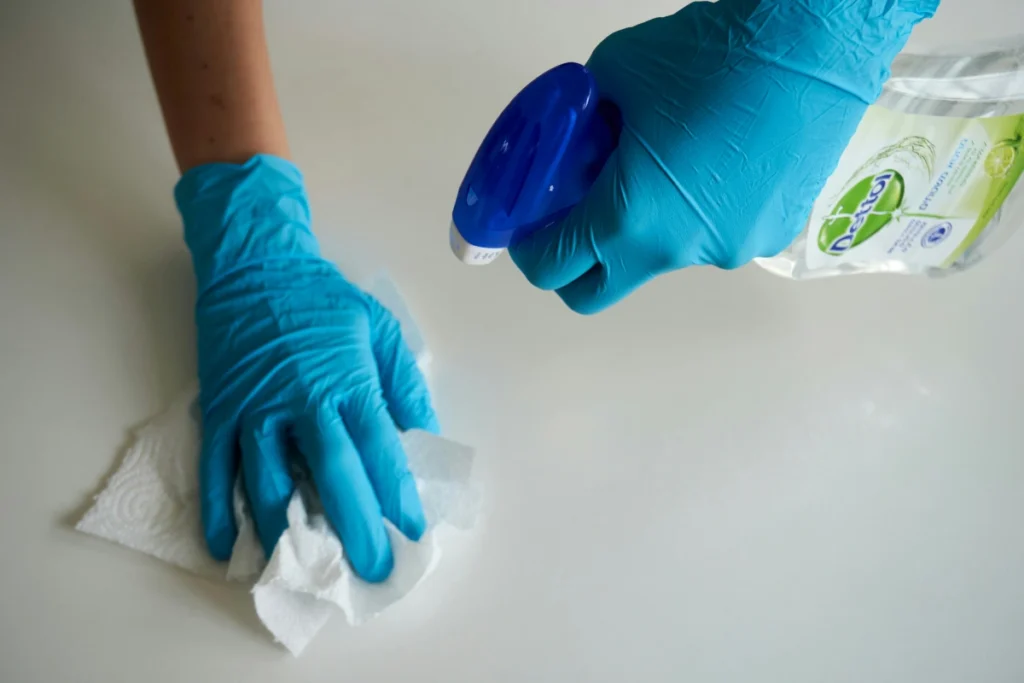
3. Upgrade Your Cleaning Products
Many conventional cleaners contain hormone disruptors.
- Use simple alternatives (vinegar, baking soda)
- Or choose verified non-toxic brands
4. Be Smarter With Personal Care
- Look for paraben-free and phthalate-free labels
- Simplify your routine (fewer products = less exposure)
5. Filter Your Water
Tap water can contain trace contaminants.
- Use a high-quality water filter if possible
The 80/20 Rule of Non-Toxic Living
Trying to eliminate every toxin is unrealistic—and stressful.
Focus on the 20% of changes that reduce 80% of exposure:
- Food containers
- Cleaning products
- Personal care essentials
That’s where the biggest impact is.
Common Mistakes to Avoid
- Trying to go 100% toxin-free overnight
- Falling for “greenwashing” labels
- Buying expensive products without checking ingredients
Final Thoughts
Endocrine disruptors are a real concern—but you don’t need to panic.
Small, consistent changes can significantly reduce your exposure over time.
- Start simple
- Stay consistent
- Ignore perfection
Your goal isn’t a toxin-free life—it’s a lower-tox, smarter lifestyle.