Dust mite allergies can make everyday life surprisingly uncomfortable. Sneezing, a stuffy nose, itchy eyes, coughing, and poor sleep can all be linked to exposure to dust mites and their waste particles.
The good news is that you don’t need to completely eliminate dust mites from your home to reduce your exposure. A few consistent changes to your bedroom, bedding, cleaning routine, and indoor environment can make a meaningful difference.
In this guide, we’ll look at how to manage dust mite allergies, how to reduce dust mites in your home, and which low-tox strategies can help create a cleaner and more comfortable living environment.
What Are Dust Mites?
Dust mites are microscopic organisms that commonly live in indoor environments. They are related to spiders and are too small to see without magnification.
They tend to thrive in warm, humid environments and can be found in places where dead skin cells accumulate, including:
- Mattresses
- Pillows
- Bedding
- Carpets
- Upholstered furniture
- Curtains
- Rugs
- Stuffed animals
Dust mites themselves aren’t usually the main cause of an allergic reaction. Instead, many people react to proteins found in dust mite feces and body fragments.
This is why simply removing visible dust isn’t always enough to reduce dust mite exposure.
Common Dust Mite Allergy Symptoms
Dust mite allergies can cause symptoms similar to other environmental allergies.
Common symptoms include:
- Sneezing
- Runny or stuffy nose
- Itchy nose or throat
- Watery or itchy eyes
- Postnasal drip
- Coughing
- Wheezing in some people
- Skin irritation
- Difficulty sleeping
Symptoms may be particularly noticeable in the bedroom because mattresses and pillows can provide favorable conditions for dust mites.
If you regularly wake up congested or experience allergy symptoms primarily at night or in the morning, your bedroom environment may be worth evaluating.
How to Reduce Dust Mites in Your Home
You don’t have to turn your home into a sterile environment. Instead, focus on reducing the conditions that allow dust mites and allergens to accumulate.
Here are some of the most effective strategies.
1. Wash Bedding Regularly
Your bed is one of the most important places to focus on when managing dust mite allergies.
Wash sheets, pillowcases, blankets, and other washable bedding regularly.
Whenever possible, follow the care instructions on the label and use a washing temperature appropriate for the material.
Don’t forget about items that aren’t washed as frequently, such as:
- Duvets
- Mattress pads
- Pillow protectors
- Blankets
- Mattress covers
A consistent bedding routine can help reduce the buildup of allergens.
Low-Tox Tip
Choose bedding made from materials you are comfortable using and that can be washed regularly. Breathable natural fabrics can also be a practical option for people who prefer a lower-tox bedroom.
2. Use Dust Mite-Proof Mattress and Pillow Covers
One of the simplest ways to reduce exposure is to use allergen-proof encasements for mattresses and pillows.
These covers create a physical barrier between you and allergens inside your bedding.
When shopping for one, look for:
- A tightly woven fabric
- A secure zipper
- Full mattress coverage
- A comfortable, breathable material
- Easy washing instructions
A mattress encasement can be especially useful because mattresses are difficult to wash or replace frequently.
3. Keep Indoor Humidity Under Control
Humidity is an important factor when it comes to dust mites.
Dust mites tend to thrive in humid environments, so keeping indoor humidity at a moderate level can help make your home less favorable to them.
A simple hygrometer can help you monitor humidity levels.
If your home is consistently humid, consider whether you need better ventilation or a dehumidifier.
What Humidity Level Is Best?
A commonly recommended approach is to keep indoor relative humidity around 30–50%, while avoiding excessively dry conditions.
The ideal level can vary depending on your home and individual needs.
4. Vacuum Regularly
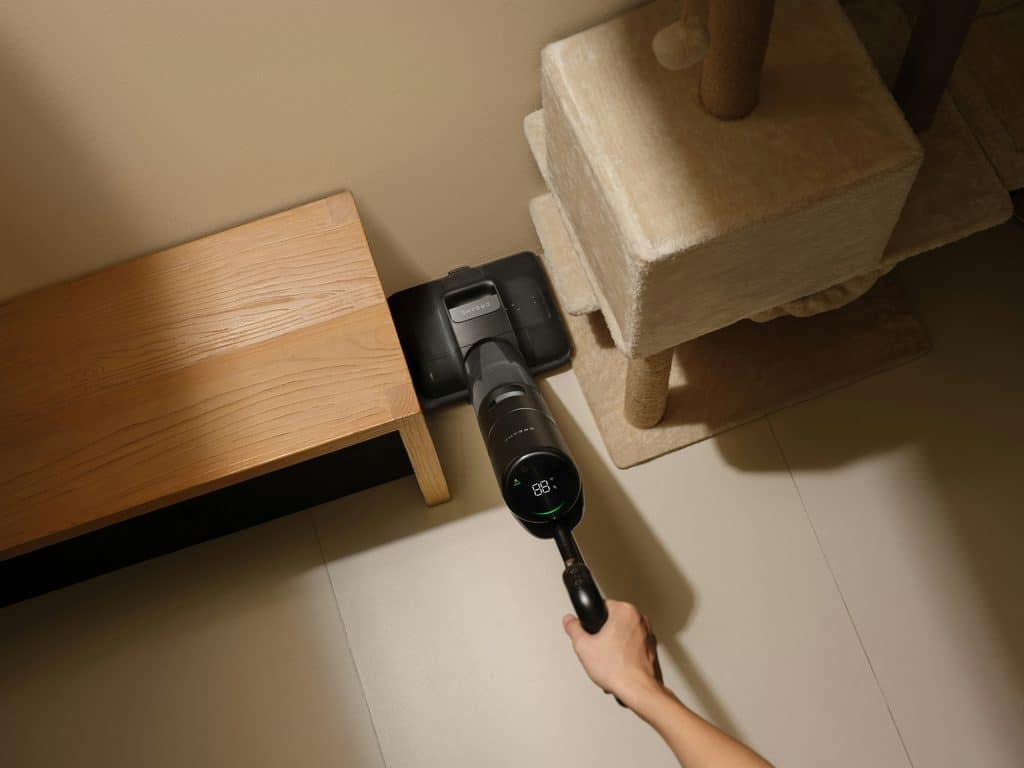
Regular vacuuming can help remove dust, skin particles, and allergens from floors and fabrics.
Pay particular attention to:
- Bedrooms
- Carpets
- Rugs
- Under beds
- Upholstered furniture
- Areas where dust accumulates
If allergies are a concern, a vacuum cleaner with a HEPA filter can be a useful option because it is designed to capture very small particles.
However, vacuuming can temporarily disturb particles in the air. If possible, someone who isn’t sensitive to dust can handle the task.
5. Reduce Bedroom Clutter
A cluttered bedroom provides more surfaces where dust can accumulate.
You don’t need to adopt a minimalist lifestyle. Instead, focus on reducing unnecessary dust-collecting items around your bed.
Consider limiting:
- Decorative pillows
- Heavy fabric decorations
- Unnecessary blankets
- Large stuffed animals
- Fabric storage baskets
- Items stored underneath the bed
Keeping the area around your bed simple also makes regular cleaning much easier.
6. Pay Attention to Carpets and Rugs
Carpets can collect dust, allergens, pet dander, and other particles.
If you’re experiencing persistent allergy symptoms, consider whether large carpets or rugs are contributing to the problem.
Hard flooring can be easier to clean because dust and debris can be removed without becoming trapped in fibers.
If you keep rugs in your home, vacuum them regularly and wash them when the material allows it.
7. Clean With a Damp Cloth
One common mistake is using a dry cloth or feather duster to remove dust.
These methods can move dust around rather than actually removing it.
Instead, use a slightly damp microfiber cloth to capture dust from surfaces.
Focus on areas such as:
- Bedside tables
- Shelves
- Window sills
- Furniture
- Baseboards
- Headboards
This simple change can make your cleaning routine more effective.
8. Wash Stuffed Animals Regularly
Stuffed animals can accumulate dust and allergens over time.
If your child sleeps with stuffed animals, check the manufacturer’s washing instructions and clean them regularly when possible.
For items that cannot be washed, another option is to reduce the number kept on the bed.
Keeping stuffed animals off the pillow and mattress can also make the sleeping area easier to clean.
9. Don’t Forget Your Curtains
Heavy curtains can collect dust and allergens.
If possible, choose washable curtains or regularly clean them according to the manufacturer’s instructions.
For people with allergies, simpler window coverings may also make regular cleaning easier.

10. Improve Your Bedroom Cleaning Routine
Managing dust mite allergies is less about one huge cleaning session and more about consistency.
A simple weekly routine could look like this:
Weekly
- Wash sheets and pillowcases
- Vacuum the bedroom
- Clean floors
- Dust furniture with a damp cloth
- Clean around the bed
Monthly
- Wash mattress protectors
- Clean curtains if appropriate
- Vacuum under the bed
- Clean less frequently used surfaces
- Check indoor humidity
Every Few Months
- Wash blankets and duvet covers
- Deep-clean rugs
- Clean upholstered furniture
- Check the condition of mattress and pillow covers
The goal is to make allergen reduction part of your normal routine rather than another overwhelming household project.
Can Air Purifiers Help With Dust Mite Allergies?
Air purifiers can be useful for reducing certain airborne particles, especially when equipped with an effective particle filter such as HEPA filtration.
However, air purification shouldn’t be considered a complete solution for dust mite allergies.
Many dust mite allergens settle onto surfaces, bedding, carpets, and furniture rather than remaining permanently airborne.
For this reason, an effective approach combines:
Bedding management + humidity control + cleaning + vacuuming + appropriate filtration.
If you’re considering an air purifier, look for one appropriately sized for your room and designed to filter fine airborne particles.
What About Natural Dust Mite Remedies?
You’ll find many online recommendations for essential oils, homemade sprays, baking soda, and other “natural” remedies.
It’s important to be cautious with these claims.
Natural doesn’t automatically mean effective or safe for everyone.
For example, strong fragrances and essential oils can irritate some people’s airways or trigger symptoms.
Instead of relying on homemade remedies, focus first on strategies with a clear practical purpose:
- Washing bedding
- Using allergen-proof covers
- Controlling humidity
- Vacuuming
- Reducing dust accumulation
- Keeping the bedroom clean
These approaches don’t require filling your home with additional fragrances or chemicals.
Should You Replace Your Mattress?
Replacing your mattress isn’t always necessary.
A mattress can accumulate allergens over many years, but a properly fitted allergen-proof encasement can provide a barrier and may be a more practical first step.
Consider replacing your mattress when it is old, uncomfortable, damaged, or no longer providing adequate support—not simply because you are concerned about dust mites.
If you do buy a new mattress, consider materials, certifications, ventilation, and the manufacturer’s information rather than focusing only on marketing claims such as “natural” or “non-toxic.”
What About Dust Mite Allergy Medication?
Environmental changes can help reduce exposure, but some people may still need medical treatment to control their symptoms.
Depending on your symptoms and medical history, a healthcare professional may recommend options such as antihistamines, nasal treatments, or allergy immunotherapy.
Don’t stop prescribed medication simply because you’ve changed your home environment.
If symptoms continue despite reducing allergens, speak with a healthcare professional or allergist.
The Best Bedroom Setup for Dust Mite Allergies
If you want to make your bedroom more allergy-friendly, you don’t need to completely redesign it.
Start with these essentials:
Bedding
Use washable bedding and consider allergen-proof mattress and pillow covers.
Humidity
Monitor indoor humidity and avoid keeping the bedroom excessively humid.
Flooring
Keep carpets and rugs clean and consider easier-to-clean flooring if appropriate.
Cleaning
Dust surfaces with a damp cloth and vacuum regularly.
Air
Consider a properly sized HEPA air purifier if airborne particles are a concern.
Clutter
Keep unnecessary fabric and dust-collecting objects away from your sleeping area.
A Simple Dust Mite Allergy Checklist
If you don’t know where to start, use this checklist:
☐ Wash bedding regularly
☐ Use allergen-proof mattress and pillow covers
☐ Monitor bedroom humidity
☐ Vacuum regularly
☐ Use a HEPA-filter vacuum when appropriate
☐ Dust surfaces with a damp cloth
☐ Reduce unnecessary bedroom clutter
☐ Clean rugs and carpets regularly
☐ Wash stuffed animals when possible
☐ Keep curtains clean
☐ Consider a HEPA air purifier
☐ Talk to a healthcare professional if symptoms persist
Final Thoughts
Managing dust mite allergies isn’t about creating a perfectly dust-free home. Dust mites are extremely common, and completely eliminating them is difficult.
A more realistic goal is to reduce exposure and create an indoor environment that is less favorable to dust mites.
Start with your bedroom. Wash your bedding regularly, use allergen-proof covers, control humidity, vacuum consistently, and reduce dust accumulation.
These small changes can become part of a simple low-tox home routine without relying on unnecessary fragrances or harsh cleaning products.
If your allergy symptoms continue or become severe, especially if you experience breathing problems, seek advice from a qualified healthcare professional.
Your home doesn’t have to be perfect. A few consistent changes can make it a healthier and more comfortable place to live.