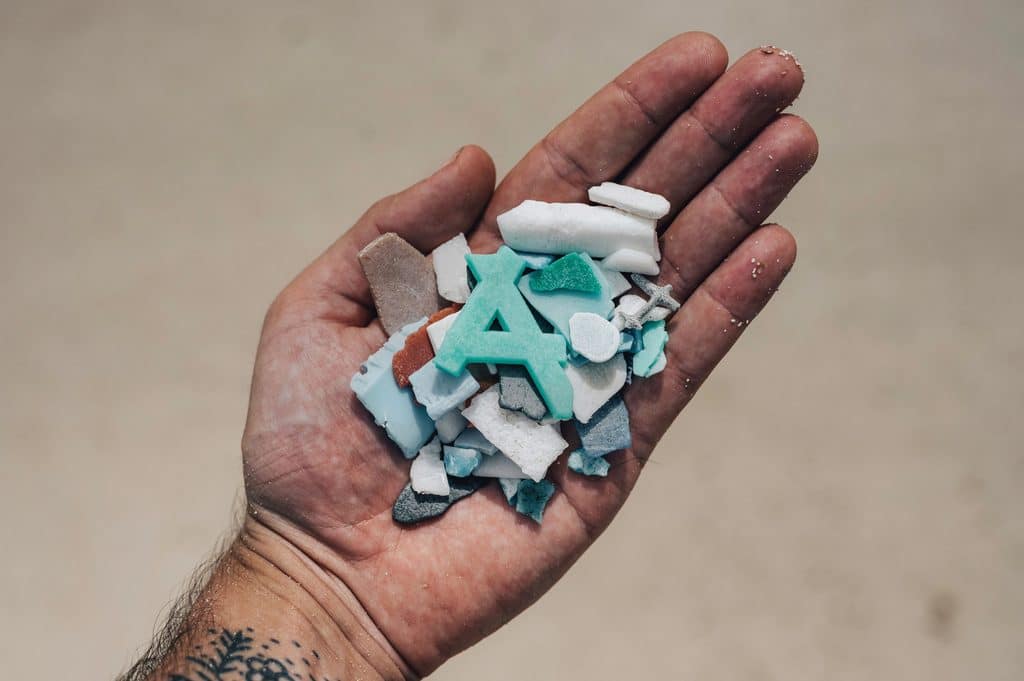
Microplastics have become an increasingly common topic in discussions about food, water, and everyday exposure. These tiny plastic particles have been detected in drinking water and a wide range of foods, including seafood, vegetables, meat, honey, beer, and table salt.
While researchers are still working to understand exactly what dietary exposure means for human health, there are simple ways to reduce unnecessary contact with plastic in your everyday eating habits.
The goal isn’t to eliminate every possible source of microplastics. That’s currently unrealistic. Instead, a more practical approach is to reduce avoidable exposure where you have control over it.
What Are Microplastics?
Microplastics are very small pieces of plastic that can enter the environment when larger plastic materials break down or through other sources of plastic pollution.
They can be found in water, soil, air, and food. Microplastics have also been detected in both bottled and tap water.
Even smaller particles are known as nanoplastics. Because these particles are extremely small, detecting and measuring them can be difficult, and researchers are still developing methods to better understand their presence and potential effects.
Importantly, finding microplastics in food does not automatically mean that eating that food is harmful.
The European Food Safety Authority currently states that important knowledge gaps remain and that it cannot yet conclude what potential health effects microplastics and nanoplastics in food may have.
How Can Microplastics Get Into Your Diet?
There isn’t one single source of dietary exposure.
Microplastics can enter the food chain through environmental contamination. They may also be introduced during food production, processing, transportation, packaging, preparation, or storage.
Food-contact materials are particularly relevant because packaging, containers, utensils, and other materials can come into contact with food and drinks. EFSA notes that substances from food-contact materials can migrate into food, and research is also examining the release of microplastics and nanoplastics from these materials.
This means that reducing your exposure isn’t simply about avoiding one particular food.
It’s about looking at your overall habits.
1. Drink More Water From Reusable Containers
Drinking water is one potential source of exposure because microplastics have been detected in both bottled and tap water.
If you regularly drink bottled water, one practical way to reduce your reliance on single-use plastic is to use tap water when it is safe and appropriate to do so.
You can then store your water in a reusable container rather than repeatedly purchasing single-use plastic bottles.
This isn’t about assuming that bottled water is unsafe. The World Health Organization has emphasized that the available evidence has important limitations and that more research is needed to understand the potential health implications of microplastics in drinking water.
The simple takeaway is to reduce unnecessary single-use plastic when you have an easy alternative.
2. Avoid Heating Food in Plastic Containers
One of the easiest habits to change is how you heat your food.
Instead of automatically putting leftovers in a plastic container in the microwave, consider transferring the food to a glass or ceramic dish before heating.
Why?
Food-contact materials can interact with food, and researchers are studying the release of substances and particles from these materials during use.
You don’t need to throw away every plastic container in your kitchen. A simpler approach is to avoid using plastic as your default material for heating food.
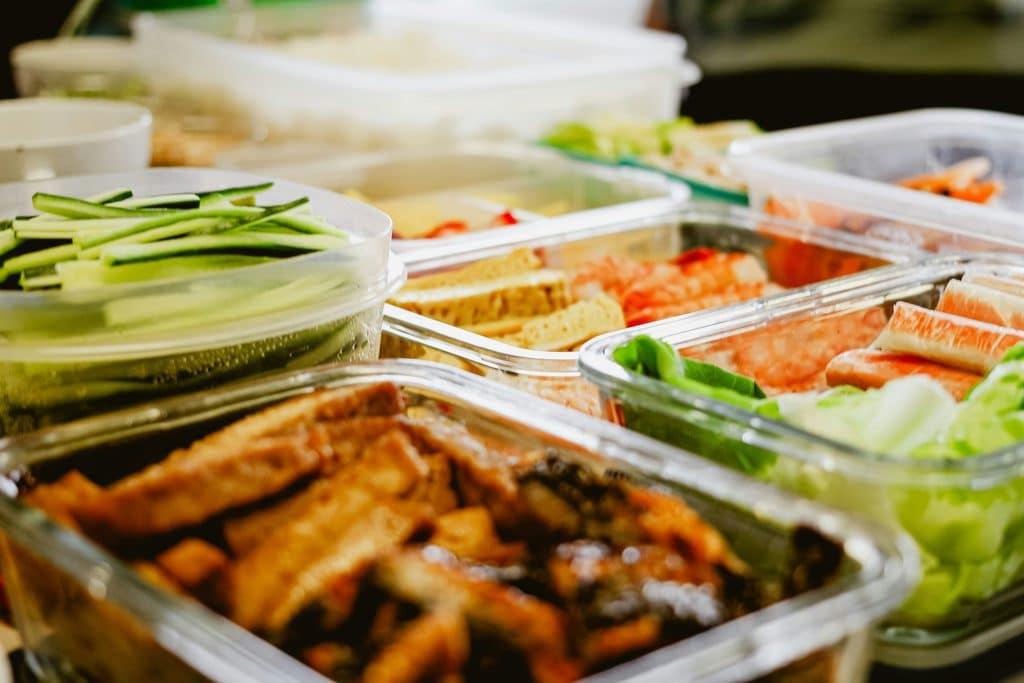
3. Store Leftovers in Glass or Other Non-Plastic Containers
Food storage is another area where you can gradually reduce your dependence on plastic.
For example, you can store:
- Leftover vegetables in glass containers
- Cooked meals in glass dishes with lids
- Fresh food in ceramic containers
- Dry ingredients in glass jars
This can be especially useful for foods that you store for several days.
The objective isn’t to create a completely plastic-free kitchen overnight. Replacing a few frequently used plastic containers over time can be a much more realistic approach.
4. Reduce Your Reliance on Single-Use Plastic Packaging
Packaged food is not automatically unhealthy or unsafe, and avoiding all plastic packaging isn’t realistic for most people.
However, when you have two similar options, you can sometimes choose the one with less plastic packaging.
For example, you might choose:
- Loose fruits and vegetables instead of heavily packaged versions
- Food sold in glass jars instead of plastic containers when practical
- Bulk foods when available and appropriate
- Reusable containers for meals prepared at home
These choices can also reduce the amount of plastic waste you produce.
Remember that the presence of plastic packaging does not automatically mean that the food inside is contaminated with dangerous levels of microplastics. The science is still developing.
5. Be Careful With Plastic Food Preparation Habits
Plastic can be useful in the kitchen, but you don’t need to use it for every step of food preparation.
Consider using alternatives such as:
- Wooden cutting boards
- Glass measuring containers
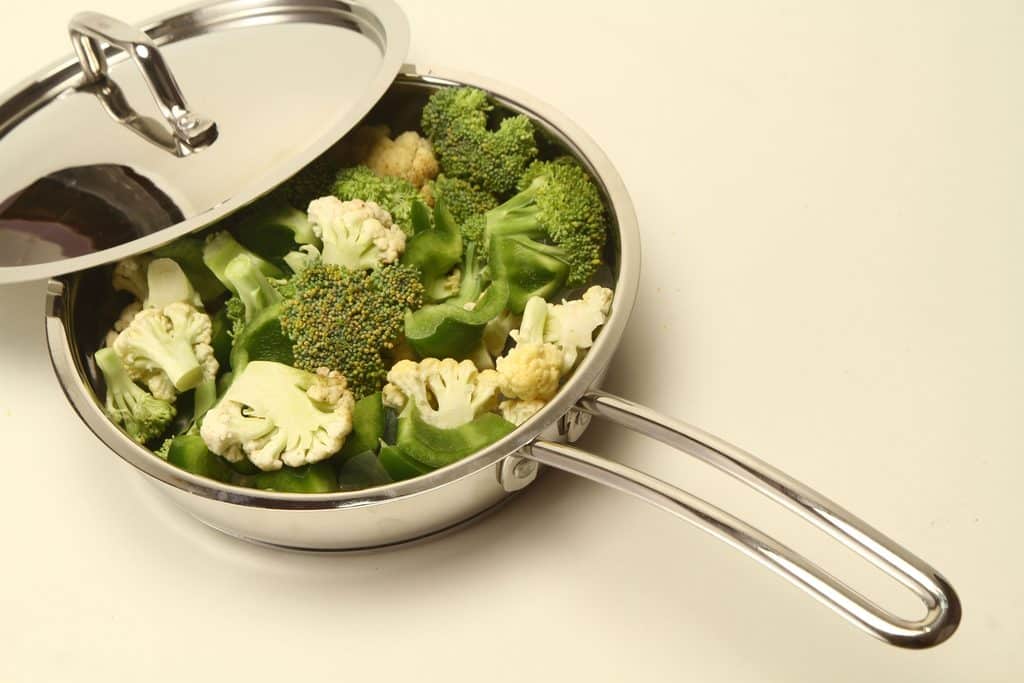
- Stainless steel utensils
- Ceramic bowls
- Glass storage containers
Again, this is about reducing unnecessary plastic contact rather than trying to eliminate plastic completely.
6. Eat a Varied Diet
Microplastics have been detected in different types of food, including seafood and other foods from terrestrial and marine environments.
A varied diet is already an important part of healthy eating, and it can also prevent your diet from becoming excessively dependent on a small number of foods.
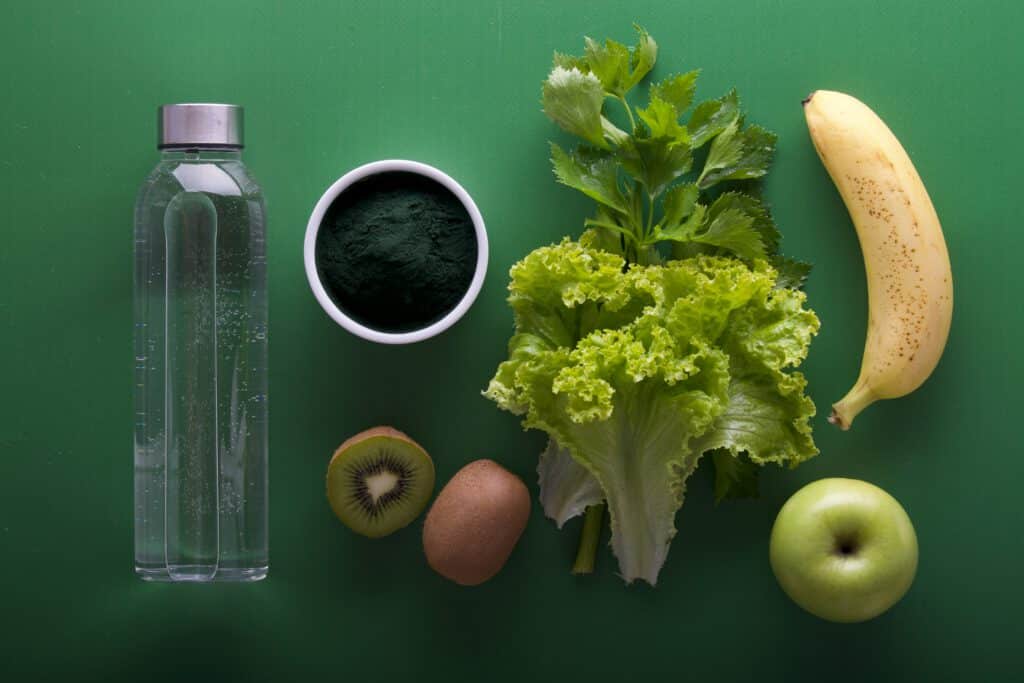
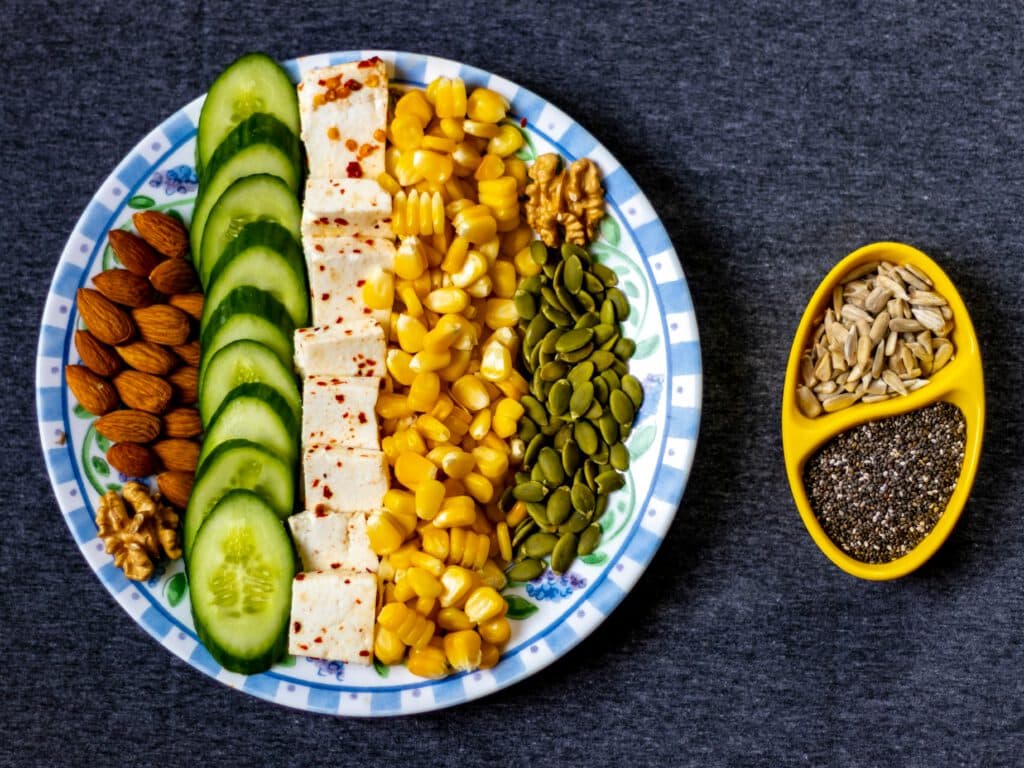
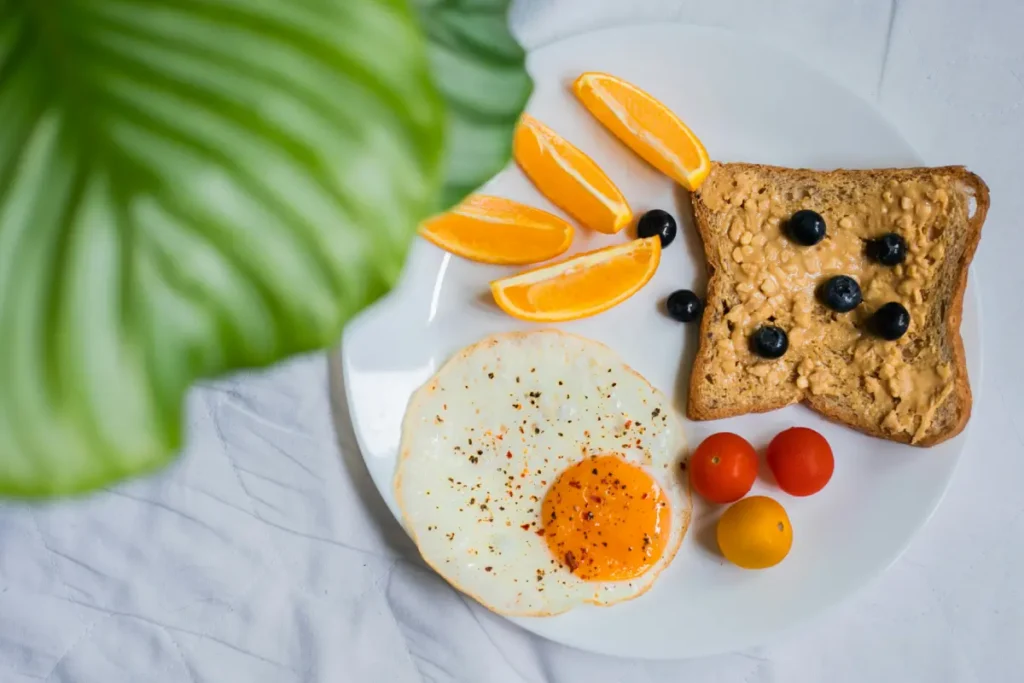
Instead of focusing on one supposedly “safe” food, aim for variety:
- Vegetables
- Fruits
- Whole grains
- Beans and lentils
- Nuts and seeds
- Fish and seafood
- Eggs
- Other minimally processed foods
The goal is not to identify a perfect microplastic-free diet. There currently isn’t enough evidence to create one.
7. Wash Fresh Produce Before Eating It
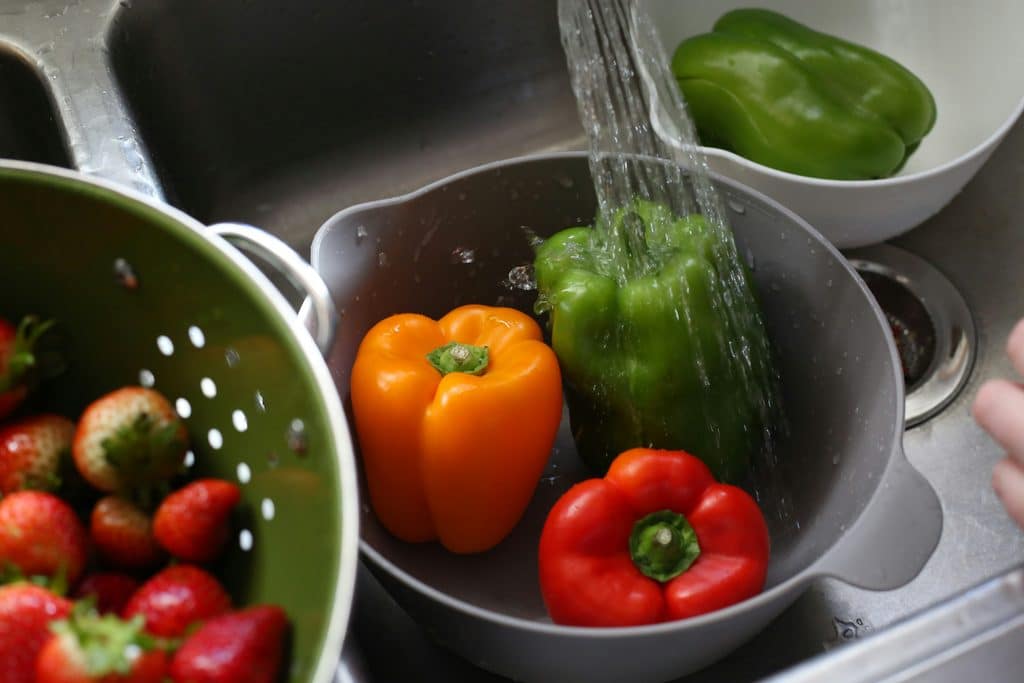
Washing fruits and vegetables is a simple food-safety habit that can help remove dirt, soil, and some contaminants from the surface.
It shouldn’t be presented as a guaranteed way to remove microplastics, however.
Microplastics can enter food through different pathways, including environmental contamination and food production. Washing therefore shouldn’t be considered a complete solution.
Still, thoroughly rinsing fresh produce under running water is a sensible part of normal food preparation.
8. Don’t Assume Expensive Foods Are Automatically Better
The growing concern about microplastics has created opportunities for products and diets that promise to completely eliminate exposure.
Be cautious with these claims.
Scientists still have significant gaps in knowledge about how much exposure people receive through food and what levels, if any, represent a meaningful health risk. EFSA is currently working toward a broader scientific assessment of microplastics and nanoplastics in food.
You don’t need an expensive “detox” diet or a completely plastic-free kitchen to start making sensible changes.
Focus on simple habits that make sense and fit your lifestyle.
9. Focus on the Habits You Can Actually Control
Microplastics are widespread in the environment. That means you cannot realistically control every possible source of exposure.
Trying to eliminate every particle from your diet can quickly become overwhelming.
Instead, focus on a few practical changes:
- Use reusable containers instead of single-use plastic when convenient.
- Avoid unnecessarily heating food in plastic.
- Choose glass or ceramic for food storage when practical.
- Reduce your reliance on single-use plastic packaging.
- Drink tap water when it is safe and appropriate in your area.
- Maintain a varied, balanced diet.
- Continue following basic food hygiene practices.
These habits can reduce some unnecessary plastic contact without turning your diet into a complicated set of restrictions.
Should You Be Worried About Microplastics in Food?
It’s reasonable to be interested in the subject, but it’s important not to confuse uncertainty with proof of harm.
Microplastics and nanoplastics have been detected in food and drinking water, and researchers are actively studying their potential effects on human health. However, major uncertainties remain about exposure levels, particle characteristics, absorption, and health consequences.
The EFSA is currently preparing a scientific opinion on the potential health risks associated with microplastics and nanoplastics in food, water, and air, with its work expected to provide updated scientific advice.
For now, the most reasonable approach is not panic or perfection.
It’s reducing unnecessary exposure where doing so is simple.
A Simple Low-Tox Approach to Microplastics
You don’t have to completely eliminate plastic from your life.
Instead, start with the areas where changing your habits is easy.
Start with these three changes:
1. Stop heating food in plastic.
Transfer food to glass or ceramic before heating it.
2. Reduce single-use plastic.
Use reusable containers and water bottles when practical.
3. Choose less plastic when you have an easy alternative.
For example, choose unpackaged produce or glass packaging when it makes sense for you.
Once these habits become automatic, you can make additional changes if you want to.
The Bottom Line
Microplastics are present in our environment and have been detected in drinking water and a variety of foods. Scientists are still working to determine the extent of human exposure and what those exposures mean for long-term health.
That uncertainty doesn’t mean you need to ignore the subject, but it also doesn’t mean you need to worry about every piece of plastic you encounter.
A practical low-tox approach is to focus on what you can control.
Reduce unnecessary single-use plastic, avoid routinely heating food in plastic, use alternative materials for food storage when practical, and maintain a varied diet.
Small changes are more sustainable than trying to create a completely plastic-free lifestyle overnight.